Teen Skincare Starter Kit: A Dermatologist’s Guide to Healthy, Clear Skin
Starting a skincare routine can feel overwhelming — especially with shelves packed with trendy products and conflicting advice. As a teen, your skin is changing: oil production rises, pores clog more easily, and sensitivity can spike. The good news? You don’t need a 10-step regimen or luxury prices to see results. This teen skincare starter kit focuses on five essentials chosen for safety, simplicity, and science. Master these first, then customize as your skin needs — not because an ad told you to.
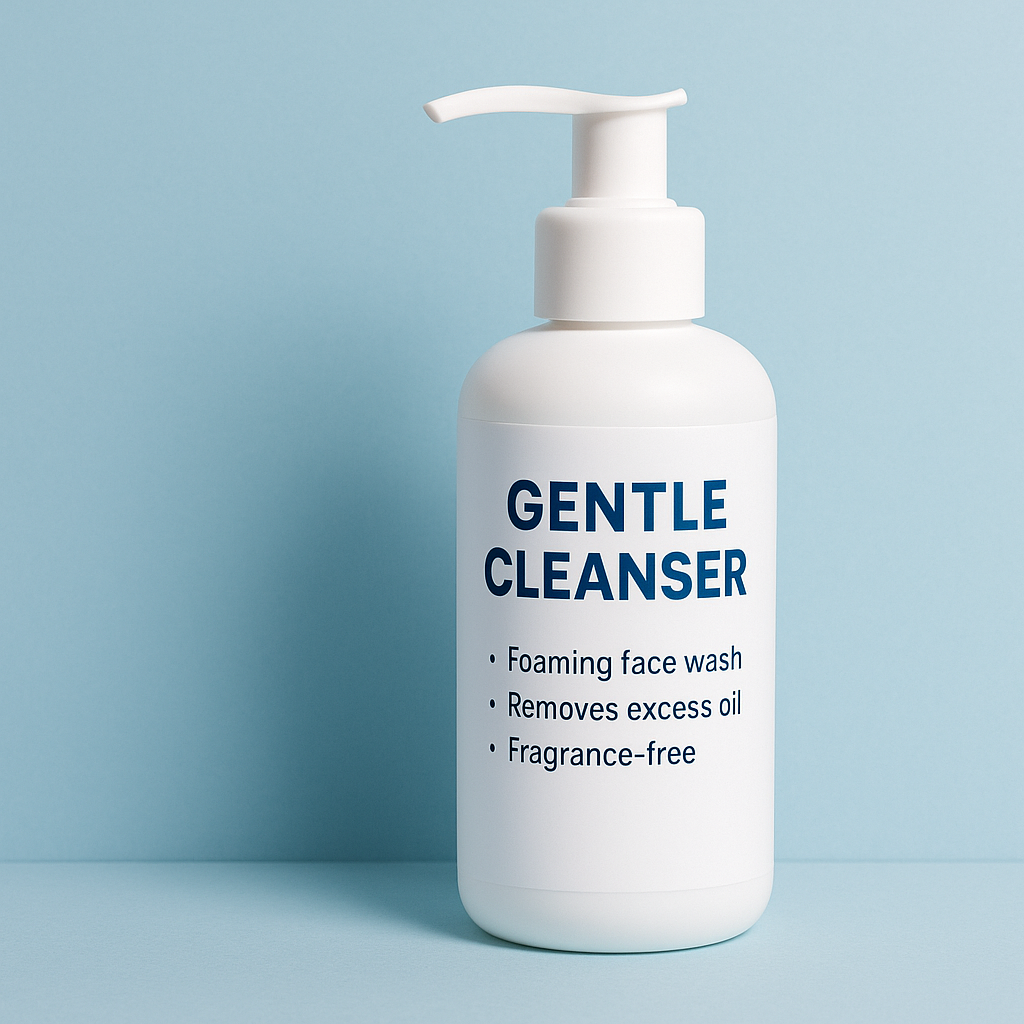
1. Gentle Cleanser (Your Routine’s Foundation)
A good cleanser removes oil, sweat, and dirt without stripping your skin barrier. For a teen skincare starter kit, choose a pH-balanced, non-comedogenic foaming or gel cleanser for oily skin, or a cream cleanser for sensitive/dry skin.
- Look for: sulfate-free, fragrance-free, non-comedogenic
- Use: morning and night
CeraVe Foaming Facial Cleanser — Gentle on skin, tough on oil. Removes excess oil and dirt without stripping moisture; ceramides + niacinamide support the skin barrier. Buy on Amazon
Alternative (sensitive): Cetaphil Gentle Skin Cleanser — Mild, fragrance-free, ideal for easily irritated skin. Buy on Amazon
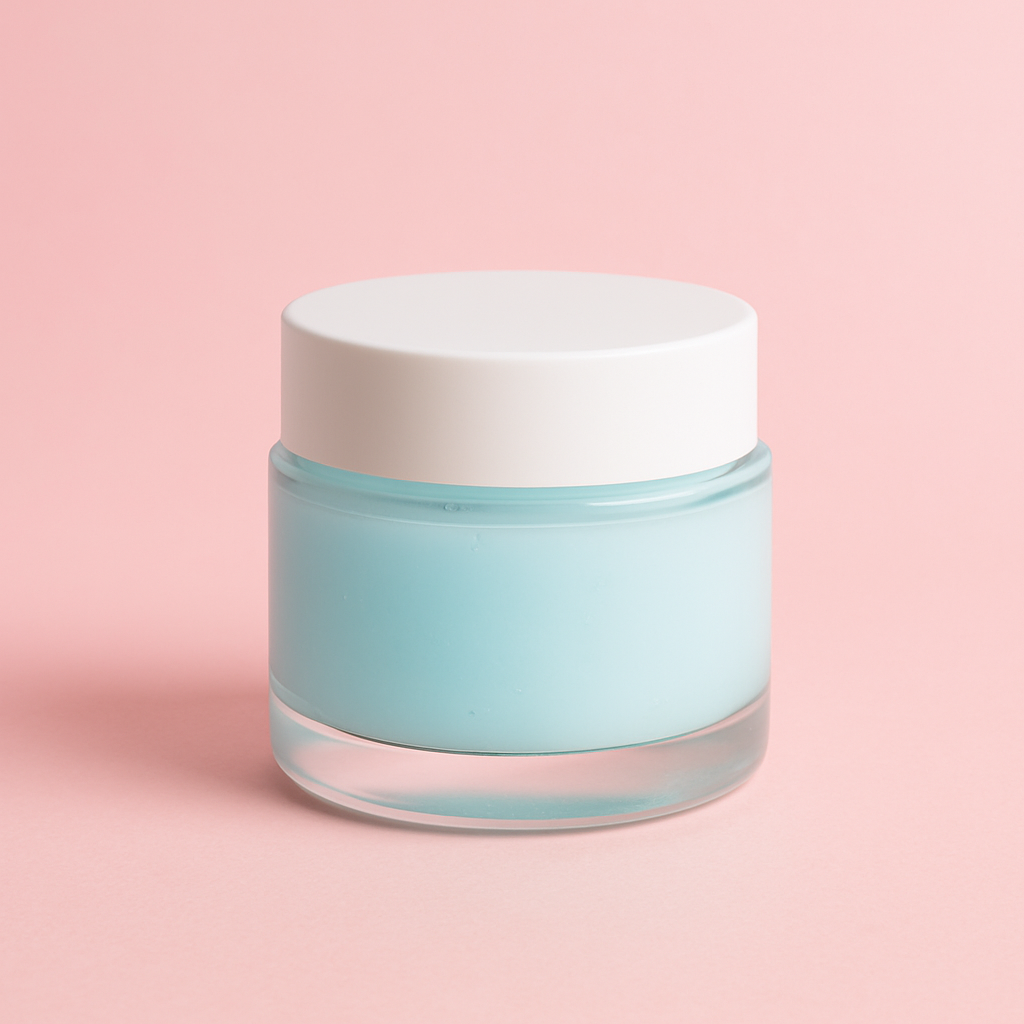
2. Lightweight Moisturizer (Yes—even for oily skin)
Hydration keeps skin balanced. An oil-free, non-comedogenic moisturizer prevents overproduction of oil and protects the skin barrier. Gel formulas work well for oily teens; lightweight creams for dry/combination.
Neutrogena Hydro Boost Water Gel — Lightweight hydration that lasts all day. Hyaluronic acid draws water in for bouncy, fresh-feeling skin without clogged pores. Buy on Amazon
Optional booster: The Ordinary Niacinamide 10% + Zinc 1% — Helps reduce redness and regulate oil for smoother-looking skin. Layer before moisturizer. Buy on Amazon
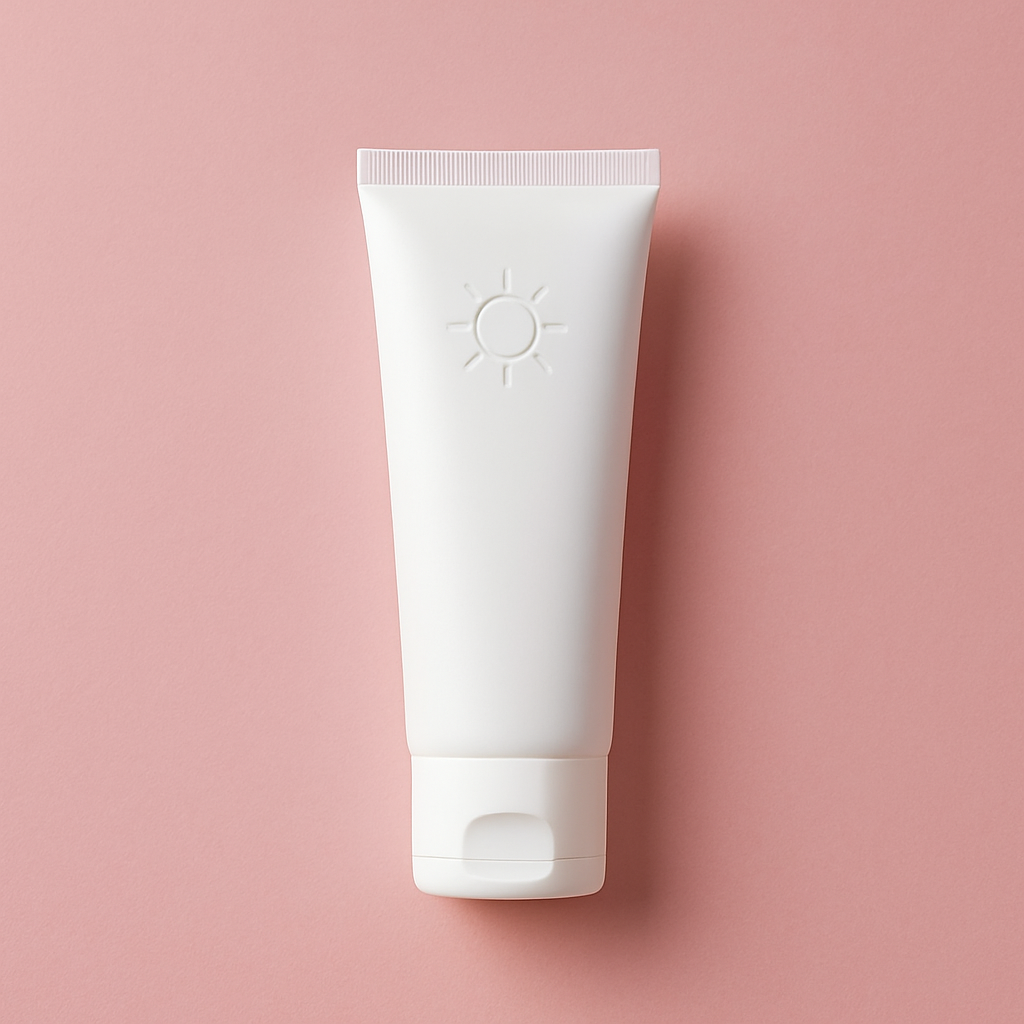
3. Sunscreen (Broad-Spectrum SPF 30+)
Sunscreen prevents dark spots, protects against UV damage, and helps acne marks fade. Choose mineral or lightweight chemical SPF labeled oil-free and non-comedogenic.
La Roche-Posay Anthelios Melt-in Milk SPF 60 — Daily protection you’ll actually want to wear. Absorbs quickly, no white cast, great under makeup. Buy on Amazon
Pro Tip: Make sunscreen the last step of your morning routine and reapply for outdoor sports or long commutes.
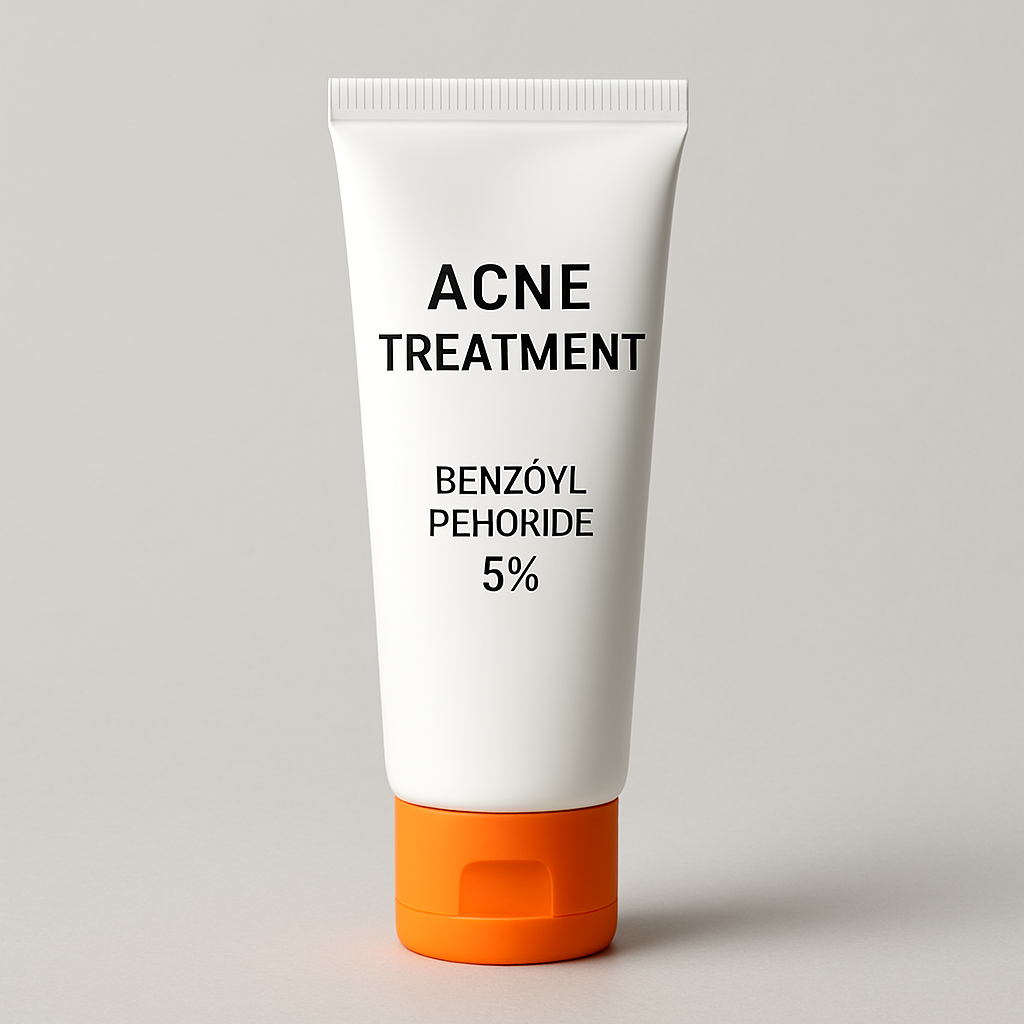
4. Spot Treatment (Targeted Care)
For active pimples, use a focused treatment (benzoyl peroxide or salicylic acid). Apply only to blemishes — overuse can dry surrounding skin.
COSRX Acne Pimple Master Patch — Overnight spot treatment that works while you sleep. Hydrocolloid patches draw out gunk and protect blemishes to speed healing. Buy on Amazon
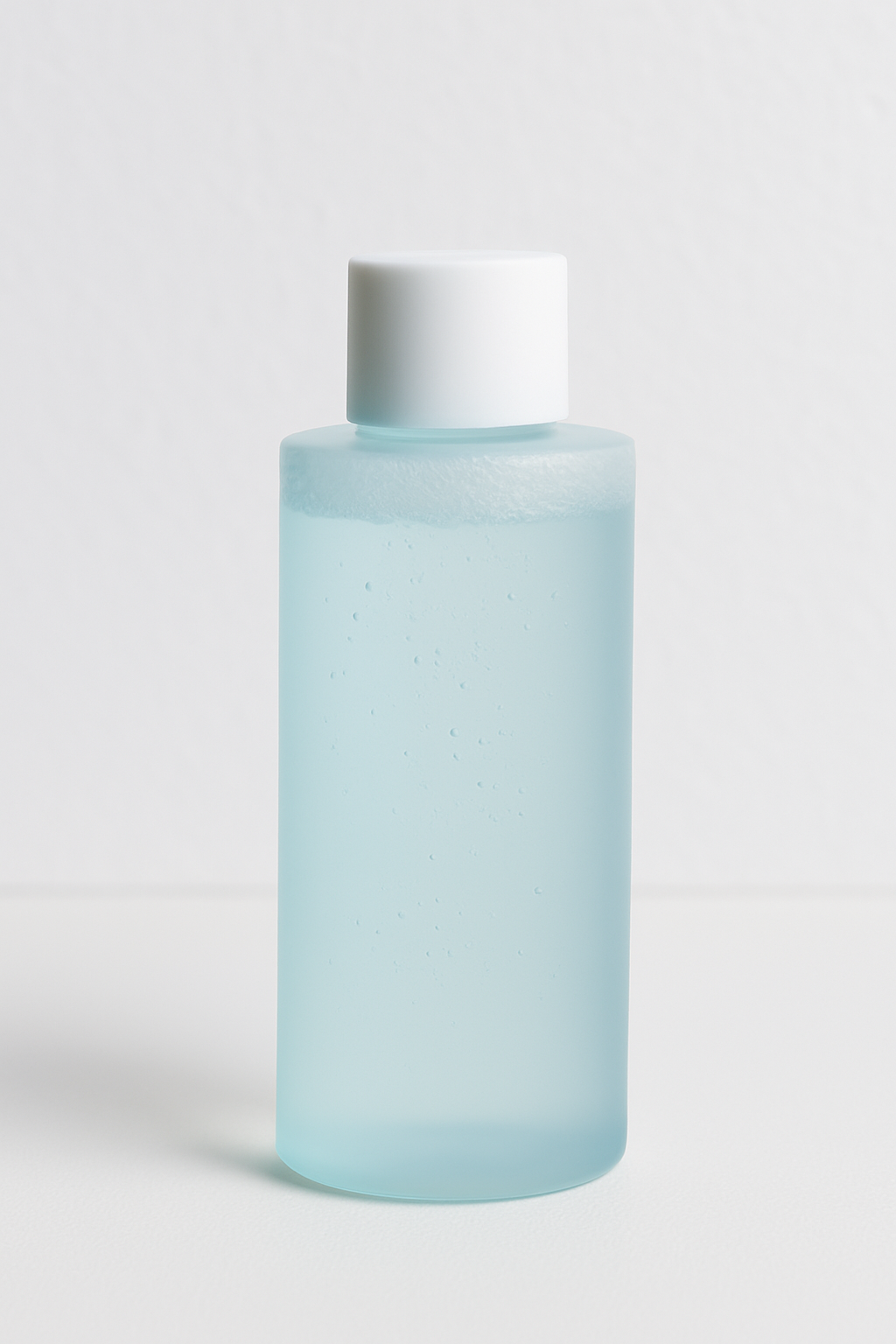
5. Gentle Exfoliant (Use 1–2×/week)
A mild BHA (salicylic acid) helps unclog pores without the micro-tears from harsh scrubs. Start once per week, then increase if your skin tolerates it.
Paula’s Choice Skin Perfecting 2% BHA Liquid — Your secret weapon against blackheads. Gently dissolves buildup inside pores for smoother, clearer skin. Buy on Amazon
How to Use Your Teen Skincare Starter Kit (by Skin Type)
Oily / Acne-Prone
- AM: Foaming cleanser → gel moisturizer → oil-free SPF 30+
- PM: Foaming cleanser → spot treatment only where needed → gel moisturizer
- Weekly: BHA exfoliant 1–2× at night (skip spot treatment those nights)
Dry / Sensitive
- AM: Cream cleanser → lightweight cream moisturizer → mineral SPF 30+
- PM: Cream cleanser → moisturizer; use spot treatment sparingly
- Weekly: Very gentle BHA or lactic acid 1× (patch test first)
Combination
- AM: Gentle gel cleanser → gel moisturizer on T-zone, light cream on cheeks → SPF
- PM: Cleanser → spot treatment on active pimples → moisturizer
- Weekly: BHA on T-zone only
Common Mistakes to Avoid
- Doing too much too soon: Introduce one new product at a time to avoid irritation.
- Over-exfoliating: More isn’t better — keep chemical exfoliants to 1–2×/week.
- Skipping moisturizer: Even oily skin needs hydration to stay balanced.
- Piling on spot treatments: Treat the pimple, not your whole face.
- No sunscreen: UV darkens acne marks and slows healing.
Teen Skincare Starter Kit — FAQs
Do teens really need moisturizer?
Yes. Without hydration, oily skin often produces even more oil. Choose oil-free, non-comedogenic gels or light creams.
How long before I see results?
Most products need 6–8 weeks of consistent use. Take weekly photos to track changes.
Can I use multiple actives at once?
Start simple. If you’re using benzoyl peroxide or salicylic acid, avoid adding strong retinoids or scrubs until your skin adjusts.
When should I see a dermatologist?
If acne is painful, cystic, scarring, or not improving after 8–12 weeks of over-the-counter care, book a professional consult.
Dermatologist-Backed Lifestyle Tips
- Change pillowcases and face towels 1–2×/week.
- Keep hair products off your forehead (they can clog pores).
- Prioritize sleep, manage stress, and aim for balanced meals.
- Hands off your face — picking prolongs healing and risks scars.
Quick Routine Recap
- Morning: Cleanser → Moisturizer → Sunscreen
- Evening: Cleanser → Spot treatment (only where needed) → Moisturizer
- Weekly: Gentle exfoliant at night (1–2×/week)
Next up: see our Top 7 Affordable Acne Products for Teens and Natural Ways to Combat Teen Acne.
Ready to build your teen skincare starter kit? Contact us and we'll help you get started.
Disclosure: This post contains affiliate links. If you purchase through these links, ClearTeen may earn a small commission at no extra cost to you. We only recommend products we trust.